Egypt Weather 2026: Best Months to Visit, Region by Region
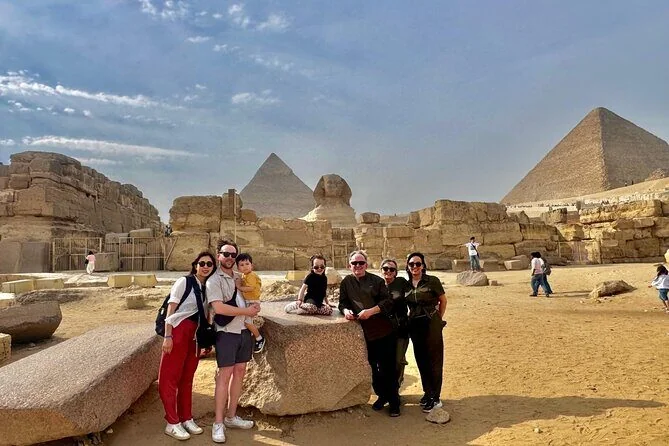
Ask "when's the best time to visit Egypt" and the honest answer is: it depends which part of Egypt you mean. The country spans four distinct climate zones, each with its own calendar, so the right month changes completely depending on whether the trip centers on temples, reefs, beaches, or desert.
Nile Valley — Cairo, Luxor, Aswan
October through April is the reliable window here, with daytime temperatures generally between 20-28°C — comfortable enough for a full day walking between tombs and temples. December and January draw the biggest crowds and the highest prices; shoulder months like October, November, March, and April offer very similar weather with noticeably more breathing room.
Nile Valley in summer — what the numbers actually show
May to August here isn't ordinary heat. Egypt's Meteorological Authority recorded daytime highs of 36-39°C in Greater Cairo during an August 2026 heatwave, with Luxor and Aswan reaching 41-46°C — and humidity pushing the perceived temperature several degrees higher still. This repeats most summers, not a one-off. A summer visit to Upper Egypt is manageable with early starts, air-conditioned transport, and ideally a Nile cruise (the river itself cools things noticeably), but go in knowing it's a different kind of trip than a winter one.
Red Sea coast — Hurghada, Sharm El Sheikh, Marsa Alam, Dahab
The sea moderates things here year-round. Winter (November-March) stays warm and sunny with swimmable water temperatures — peak season for travelers escaping colder climates at home. Summer is hotter on land, but underwater visibility is often at its best from March to June and again September to November, which matters more than air temperature if diving or snorkeling is the main goal.
Mediterranean coast — Alexandria and the North Coast
This region runs on the opposite calendar from the rest of Egypt. June through August is peak season — exactly when it's hottest inland — and Egypt's own Meteorological Authority logged a noticeably milder 30-33°C here during the same August 2026 heatwave that pushed Upper Egypt past 40°C. Outside summer, much of the North Coast's resort infrastructure winds down, so this is specifically a summer destination rather than a year-round one.
Western Desert and the White Desert oases
Big daily swings define this region. Winter days are pleasant, but nights can approach freezing — relevant if overnight camping is part of the plan. Summer days bring intense heat with little natural shade, making extended desert time considerably tougher. Spring and autumn balance warm days against tolerable nights best for camping trips.
One factor that moves every year: Ramadan
During Ramadan, restaurant and shop hours shift later in the day and cities take on a different rhythm, especially around sunset. Sites and tours still operate normally, but it changes the texture of a trip through places like Cairo. Since Ramadan's dates move on the Islamic calendar each year, check the specific dates for your travel year rather than assuming last year's timing.
Matching the month to the trip
Temple-and-tomb trips through Cairo, Luxor, and Aswan: October-April. Diving and beach trips to the Red Sea: workable almost any month, winter for comfort, spring/autumn for visibility. A North Coast beach trip: summer, specifically. Covering several regions in one visit: October-November or March-April balance the whole country reasonably well, avoiding Upper Egypt's worst heat while keeping the coast warm.
A Red Sea diving day trip from Hurghada or an exclusive Red Sea yacht day works across most of the calendar, while a Nile dahabiya cruise between Luxor and Aswan makes even a warmer-month visit to Upper Egypt genuinely comfortable.
Mohlo by se vám také líbit

Red Sea Diving Adventure
39€ / za osobu

Exclusive Red Sea Yacht Experience
460€ / za osobu
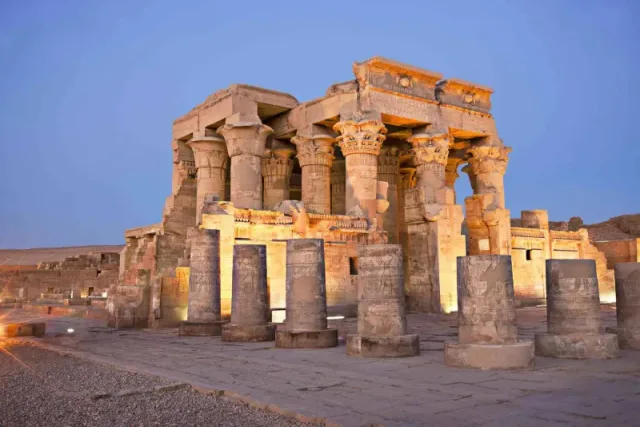
Edfu & Kom Ombo Temples Day Tour Between Luxor and Aswan
85$ / za osobu

Private Dahabiya Sailing Cruise: Luxor to Aswan
1050$ / za osobu

Private Cairo Day Trip from Alexandria
350$ / za osobu
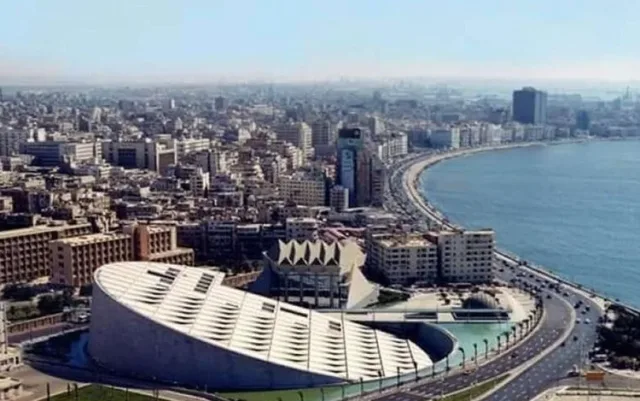
Alexandria Day Trip from Cairo
85€ / za osobu